

The Blog
News, stories, and inspiration for healthcare workers
View blogs by category:
Search blog topics:

Including Caregivers in Discharge Planning is Essential
Hospital discharge can be one of the most vulnerable moments in a patient’s care journey.
Patients are often overwhelmed, exhausted, in pain, anxious, or processing a large amount of information in a short period of time. Even with excellent education from the care team, important details can be forgotten or misunderstood once the patient gets home.
That’s where caregivers matter — tremendously.

How to Improve OAS CAHPS Survey Scores
The Outpatient and Ambulatory Surgery Consumer Assessment of Healthcare Providers and Systems (OAS CAHPS) survey just shifted from voluntary to mandatory. With some vendors offering real-time data access, you may already be seeing survey results.

5 Ways to Improve Your Leapfrog Hospital Safety Grade
The Leapfrog Group assigns hospitals letter grades based on safety outcomes. The grades are an easy way for patients to choose one hospital over another and can be directly tied to reimbursement through Leapfrog’s Value-Based Purchasing Program.

Understanding the Leapfrog Hospital Safety Grade
Hospital leaders know that patient safety is both a moral imperative and a public measure of trust. The Leapfrog Hospital Safety Grade—reported twice a year—has become one of the most visible indicators of how well hospitals protect patients from preventable harm.

Better Patient Engagement for Better Patient Outcomes
Healthcare is a partnership between the provider guiding the healthcare journey and the patient taking steps toward better health. Engaged patients have the knowledge, confidence, and skills to take those steps. They understand their healthcare and are more likely to take an active role in it.

Using Print and Digital to Improve Patient Engagement
Digital patient engagement solutions have many benefits — prompting 78% of leaders nationwide to invest in them. They can be convenient ways to automate, stay in touch, send reminders, and give patients a direct line to their care teams.

Reducing Workplace Violence
Workplace violence has long been prevalent in healthcare, but the last several years have shown an alarming spike, with incidents doubling between 2018 and 2022. Moreover, this surge doesn’t account for incidents that go unreported, which is likely a significant number.

Key Teachings for Discharge
Discharge is a critical time for teaching. Care teams finalize plans, send prescriptions and referrals, and make follow-up appointments as the patient and their family prepare to transition out of the hospital.

Strategies to Reduce Readmissions
For patients, being readmitted to the hospital after returning home can be very disappointing. In addition to disappointment, patients who are readmitted face longer recovery times, financial impacts, and higher risks of complications.

Teaching to Reduce Readmissions After Heart Attack
Around 12% of heart attack survivors are readmitted to the hospital within 30 days of discharge. While the reason for the readmission is sometimes another heart attack, that isn’t always the case. Around half of these readmissions are not even cardiac-related.

Addressing Social Factors that Can Lead to Readmissions
You know that not all patients are the same. Medical problems, reactions to medications, and many other health-related issues make every patient — and their experience — truly unique.

Planning Post-Discharge Care
Transitioning from the hospital back to home is a precarious time for most patients. As hospital case managers know, patients can struggle to understand how to care for their numerous, complex medical conditions. This struggle frequently results in increased readmissions and poor patient outcomes.

Tips to Raise Patient Engagement
Actively engaged patients understand their health well and feel empowered to take proactive health management measures. Daily decisions like eating a healthy diet, taking medications correctly, or getting exercise come naturally, leading to better outcomes.

Medication Adherence
Hospital patients have a lot to remember when they leave the hospital, like self-care instructions, follow-up appointments, and medication changes. Remembering things like this is tough for healthy people, but trying to remember it all when you’re sick or in pain makes understanding a care plan much more difficult.
Discharge Solutions to Reduce Readmissions
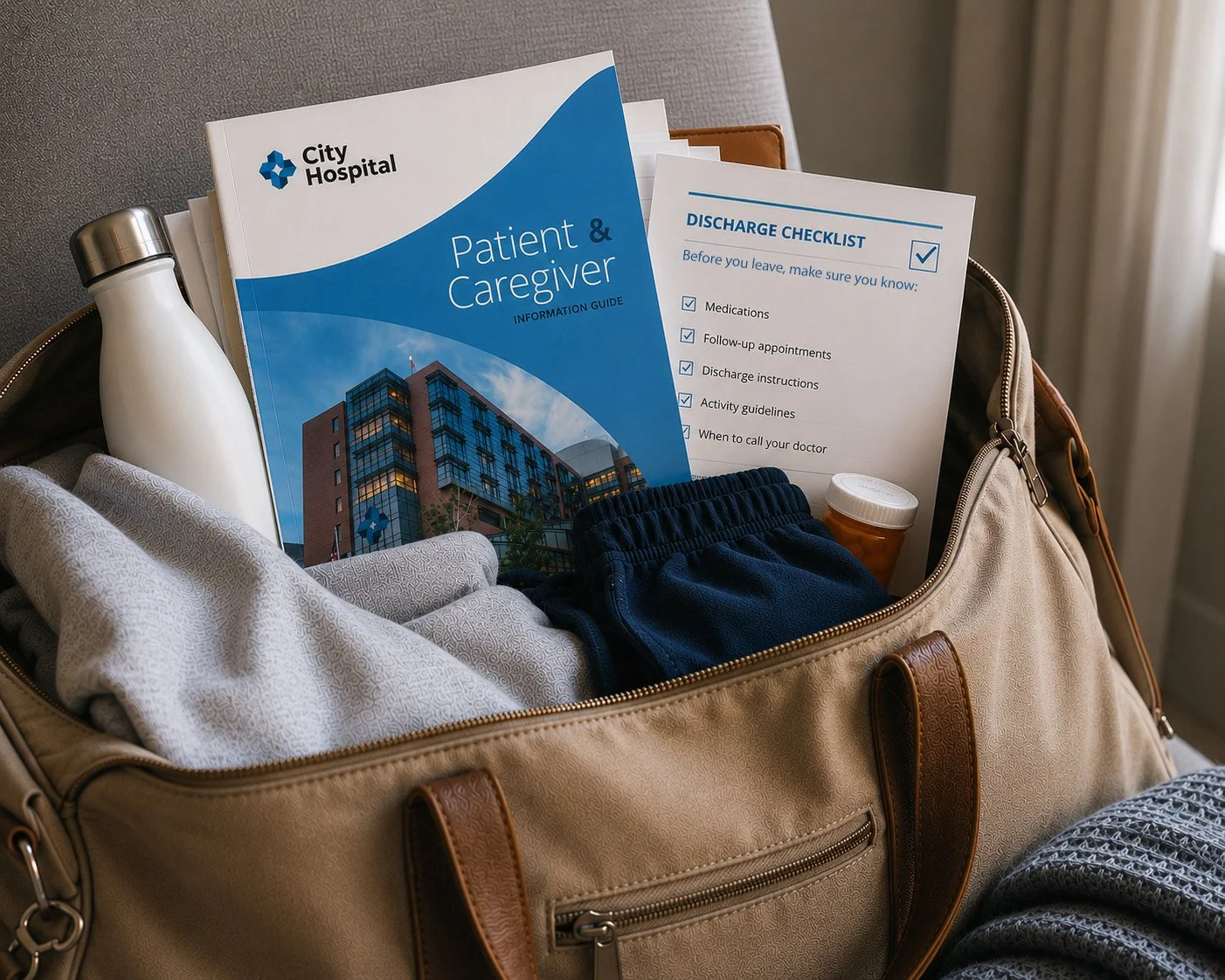
Patients typically get very excited when they hear “discharge.” Discharge means they are going home, but it also means patients will be caring for themselves once they get home. If patients don’t understand their care plan, or aren’t engaged in their plan, their chances of readmission after discharge increase.

Better Sleep for Better HCAHPS
Hospitalized patients often struggle with sleep due to a variety of factors, like pain, noise, and medication changes. Yet rest is crucial to recovery, so it’s important to facilitate restfulness during hospitalization. It’s so important, in fact, that the new HCAHPS survey added two new questions asking specifically about rest.

HCAHPS Survey Changes
Big changes came to the HCHAPS survey on January 1, 2025. You have probably heard the buzz about the new questions, but that isn’t the only update. The HCAHPS project team also made a number of administrative changes designed to make the survey more relevant and to help capture data from underrepresented groups.

New HCAHPS Questions
The healthcare landscape is constantly evolving, so it’s not surprising that CMS (Centers for Medicare and Medicaid Services) is changing the HCAHPS (Hospital Consumer Assessment of Healthcare Providers and Systems) survey to modernize it for 2025.
Call Light Responsiveness
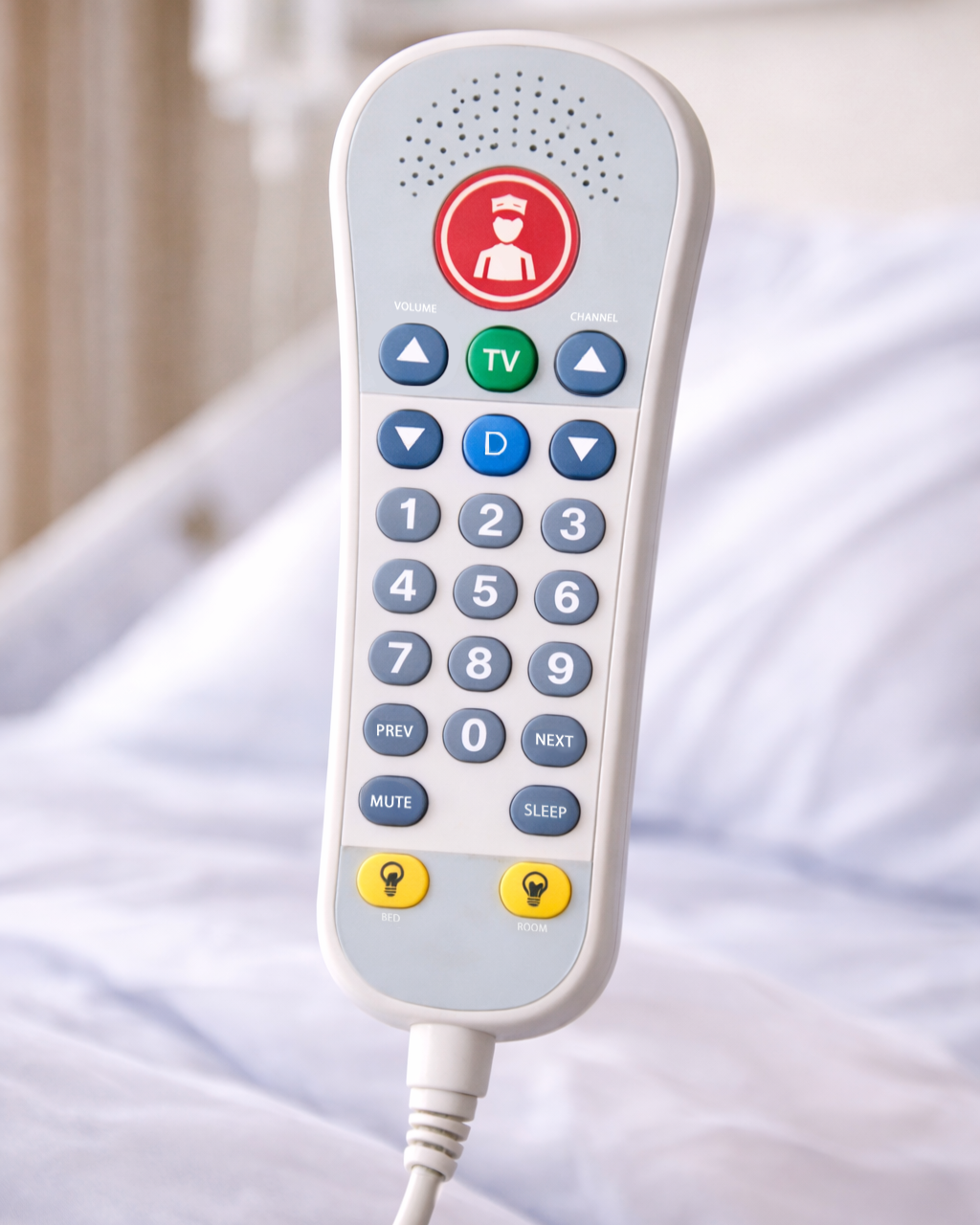
As a key part of the patient experience, and the focus of multiple HCAHPS questions, staff responsiveness can make or break the quality of a hospital stay.

Better Medication Communication
The HCAHPS survey measures the patient experience over a wide range of domains, from environmental cleanliness to staff responsiveness. Communication is another theme across many domains, and for good reason: Without clear communication, patients cannot be engaged members of the care team.