

The Blog
News, stories, and inspiration for healthcare workers
View blogs by category:
Search blog topics:

How to Improve OAS CAHPS Survey Scores
The Outpatient and Ambulatory Surgery Consumer Assessment of Healthcare Providers and Systems (OAS CAHPS) survey just shifted from voluntary to mandatory. With some vendors offering real-time data access, you may already be seeing survey results.

Better Sleep for Better HCAHPS
Hospitalized patients often struggle with sleep due to a variety of factors, like pain, noise, and medication changes. Yet rest is crucial to recovery, so it’s important to facilitate restfulness during hospitalization. It’s so important, in fact, that the new HCAHPS survey added two new questions asking specifically about rest.

HCAHPS Survey Changes
Big changes came to the HCHAPS survey on January 1, 2025. You have probably heard the buzz about the new questions, but that isn’t the only update. The HCAHPS project team also made a number of administrative changes designed to make the survey more relevant and to help capture data from underrepresented groups.

New HCAHPS Questions
The healthcare landscape is constantly evolving, so it’s not surprising that CMS (Centers for Medicare and Medicaid Services) is changing the HCAHPS (Hospital Consumer Assessment of Healthcare Providers and Systems) survey to modernize it for 2025.
Call Light Responsiveness
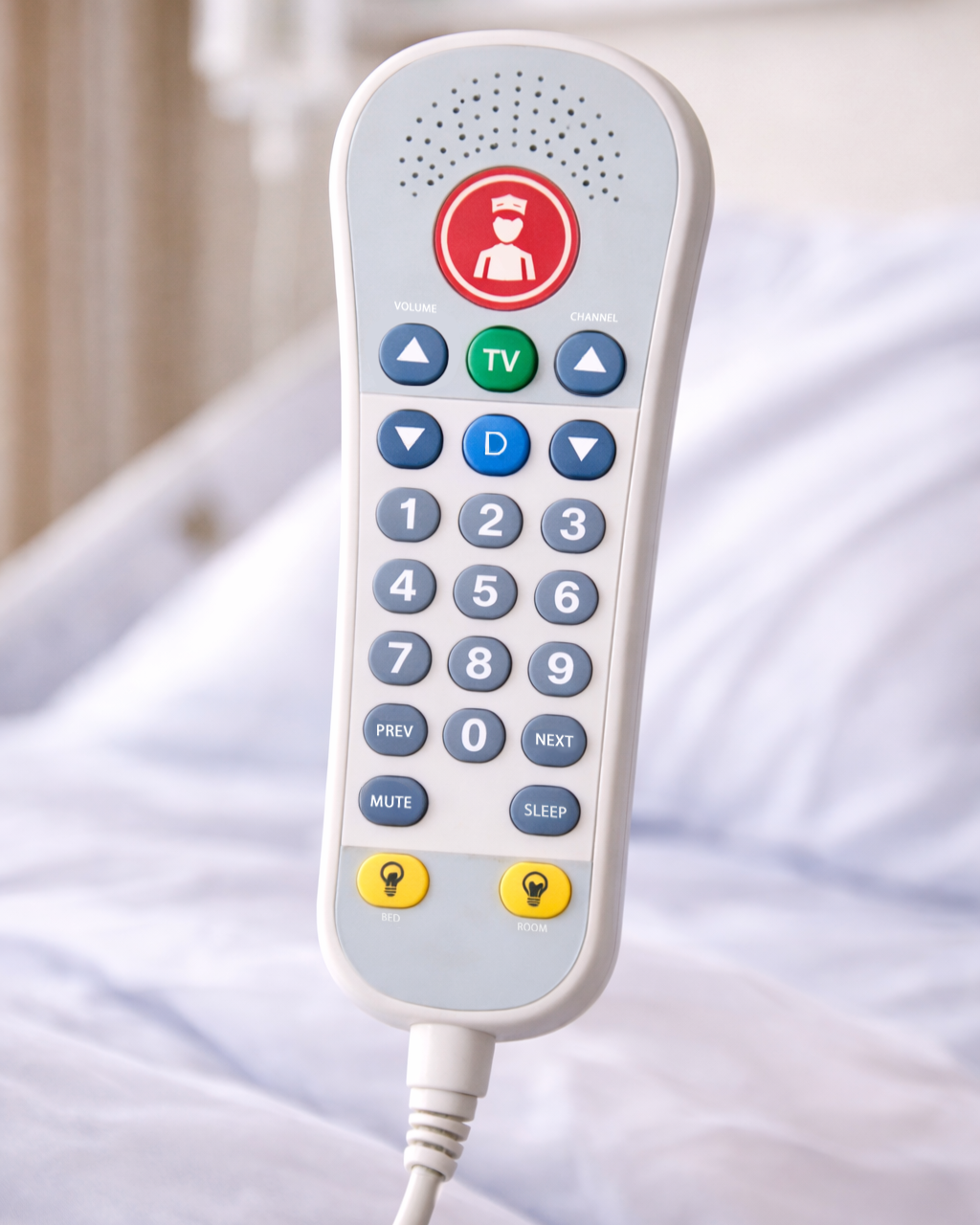
As a key part of the patient experience, and the focus of multiple HCAHPS questions, staff responsiveness can make or break the quality of a hospital stay.

Better Medication Communication
The HCAHPS survey measures the patient experience over a wide range of domains, from environmental cleanliness to staff responsiveness. Communication is another theme across many domains, and for good reason: Without clear communication, patients cannot be engaged members of the care team.

Elevating the Patient Experience for Better Outcomes
The impact of the patient experience in healthcare goes beyond HCAHPS scores. When patients have a good experience, they build relationships with the care team. They are more likely to be engaged in their health. They learn better and make healthy choices.

Understanding Patient Learning Styles
Around 50% of patients don't get the full benefit of medical treatments because of poor compliance.
While it’s easy to assume that patients who don’t follow doctors’ instructions lack the desire to improve their health, research points to patient education rather than motivation as a driver of non-compliance. In fact, studies show a significant increase in compliance with better patient education.

Improving Hospital Cleanliness
People associate cleanliness with quality and safety, now even more than before the pandemic. A clean environment builds trust and shows excellence, which affects patients’ overall perception of medical care. A clean facility is associated with higher opinions of staff responsiveness and nurse attentiveness.

Bedside Reporting
A bedside shift report is a change-of-shift report between off-going and on-coming nurses that takes place at the patient's bedside. It's a key part of the patient's care plan and aims to improve a patient’s safety, understanding of their health conditions, and engagement.

Getting More from Rounding
Regular rounding by nursing staff has long been a hospital best practice. Rounding anchors patients throughout their stay with a predictable routine and improved care. It also helps staff.

Take a Seat
More and more research shows that bedside conversations with patients can improve both their experience and their outcomes.

Using Patient Whiteboards
For an effective, low-cost way to improve patient experience and boost satisfaction scores, look no further than a whiteboard. A whiteboard in the patient's room is an anchor point, full of essential details to keep patients informed and engaged throughout their stay.