

The Blog
News, stories, and inspiration for healthcare workers
View blogs by category:
Search blog topics:
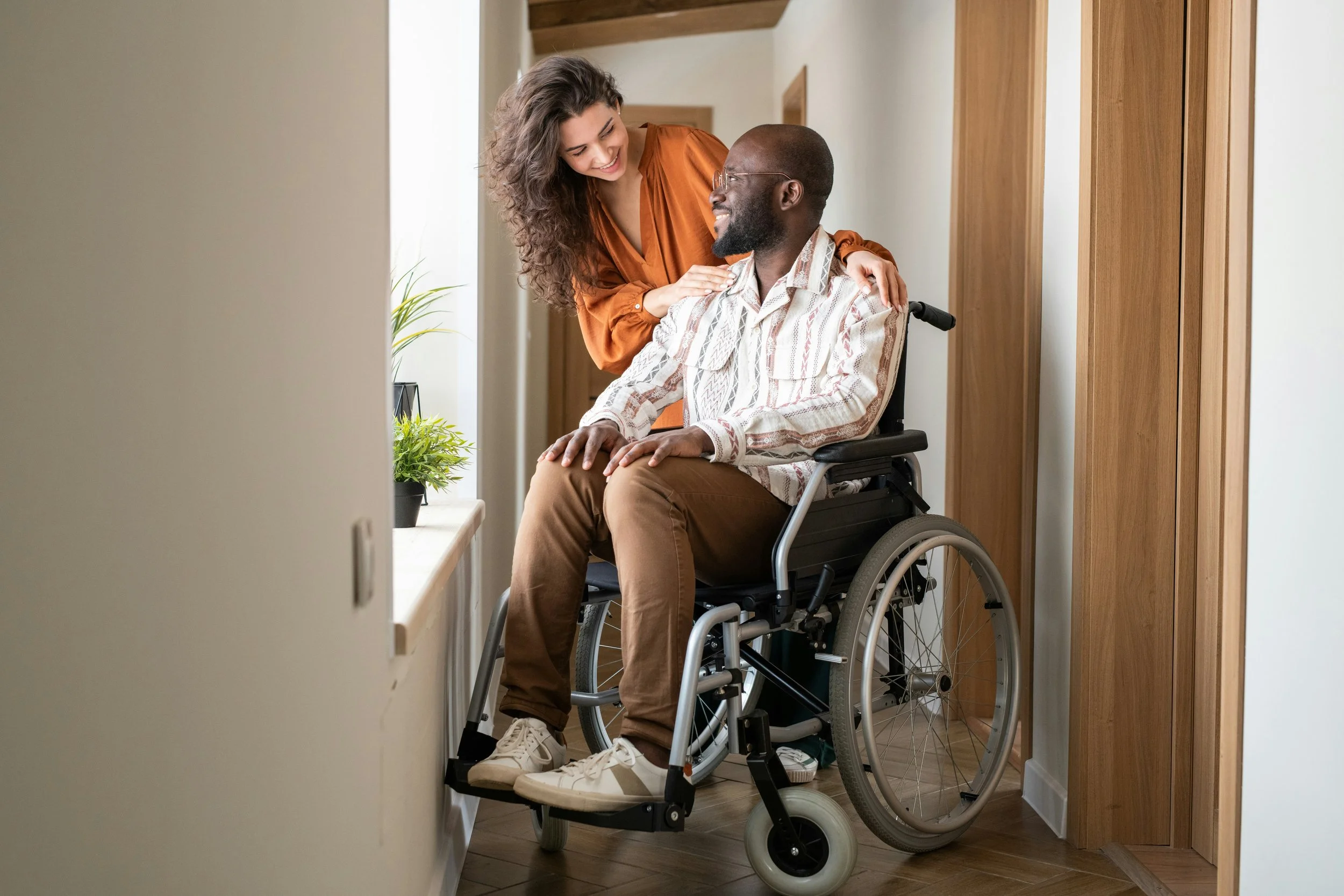
Including Caregivers in Discharge Planning is Essential
Hospital discharge can be one of the most vulnerable moments in a patient’s care journey.
Patients are often overwhelmed, exhausted, in pain, anxious, or processing a large amount of information in a short period of time. Even with excellent education from the care team, important details can be forgotten or misunderstood once the patient gets home.
That’s where caregivers matter — tremendously.

Better Patient Engagement for Better Patient Outcomes
Healthcare is a partnership between the provider guiding the healthcare journey and the patient taking steps toward better health. Engaged patients have the knowledge, confidence, and skills to take those steps. They understand their healthcare and are more likely to take an active role in it.

Using Print and Digital to Improve Patient Engagement
Digital patient engagement solutions have many benefits — prompting 78% of leaders nationwide to invest in them. They can be convenient ways to automate, stay in touch, send reminders, and give patients a direct line to their care teams.

Key Teachings for Discharge
Discharge is a critical time for teaching. Care teams finalize plans, send prescriptions and referrals, and make follow-up appointments as the patient and their family prepare to transition out of the hospital.

Better Medication Communication
The HCAHPS survey measures the patient experience over a wide range of domains, from environmental cleanliness to staff responsiveness. Communication is another theme across many domains, and for good reason: Without clear communication, patients cannot be engaged members of the care team.

Enhancing Health Literacy
Health literacy predicts overall health better than any other factor, according to the American Medical Association (AMA).

Elevating the Patient Experience for Better Outcomes
The impact of the patient experience in healthcare goes beyond HCAHPS scores. When patients have a good experience, they build relationships with the care team. They are more likely to be engaged in their health. They learn better and make healthy choices.

Understanding Patient Learning Styles
Around 50% of patients don't get the full benefit of medical treatments because of poor compliance.
While it’s easy to assume that patients who don’t follow doctors’ instructions lack the desire to improve their health, research points to patient education rather than motivation as a driver of non-compliance. In fact, studies show a significant increase in compliance with better patient education.

Effective Team-Based Care
No single physician can be an expert in all aspects of care, especially when patients have complex health conditions.
Complex care is common. A typical primary care doctor coordinates with 229 other physicians. Patients on Medicare visit at least two primary care doctors and five specialists every year.