

The Blog
News, stories, and inspiration for healthcare workers
View blogs by category:
Search blog topics:
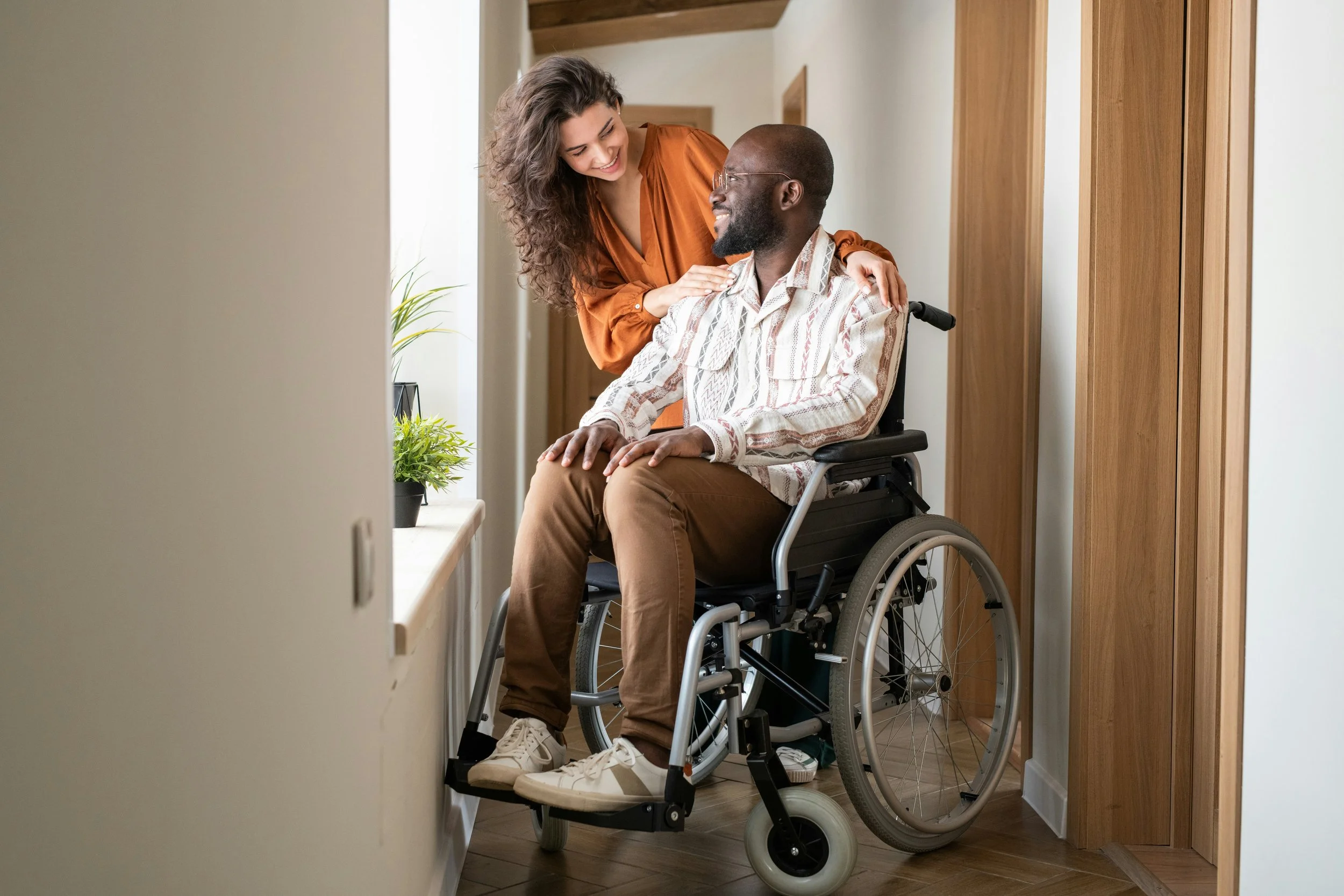
Including Caregivers in Discharge Planning is Essential
Hospital discharge can be one of the most vulnerable moments in a patient’s care journey.
Patients are often overwhelmed, exhausted, in pain, anxious, or processing a large amount of information in a short period of time. Even with excellent education from the care team, important details can be forgotten or misunderstood once the patient gets home.
That’s where caregivers matter — tremendously.

Key Teachings for Discharge
Discharge is a critical time for teaching. Care teams finalize plans, send prescriptions and referrals, and make follow-up appointments as the patient and their family prepare to transition out of the hospital.

Strategies to Reduce Readmissions
For patients, being readmitted to the hospital after returning home can be very disappointing. In addition to disappointment, patients who are readmitted face longer recovery times, financial impacts, and higher risks of complications.

Teaching to Reduce Readmissions After Heart Attack
Around 12% of heart attack survivors are readmitted to the hospital within 30 days of discharge. While the reason for the readmission is sometimes another heart attack, that isn’t always the case. Around half of these readmissions are not even cardiac-related.

Addressing Social Factors that Can Lead to Readmissions
You know that not all patients are the same. Medical problems, reactions to medications, and many other health-related issues make every patient — and their experience — truly unique.

Planning Post-Discharge Care
Transitioning from the hospital back to home is a precarious time for most patients. As hospital case managers know, patients can struggle to understand how to care for their numerous, complex medical conditions. This struggle frequently results in increased readmissions and poor patient outcomes.

Tips to Raise Patient Engagement
Actively engaged patients understand their health well and feel empowered to take proactive health management measures. Daily decisions like eating a healthy diet, taking medications correctly, or getting exercise come naturally, leading to better outcomes.

Medication Adherence
Hospital patients have a lot to remember when they leave the hospital, like self-care instructions, follow-up appointments, and medication changes. Remembering things like this is tough for healthy people, but trying to remember it all when you’re sick or in pain makes understanding a care plan much more difficult.
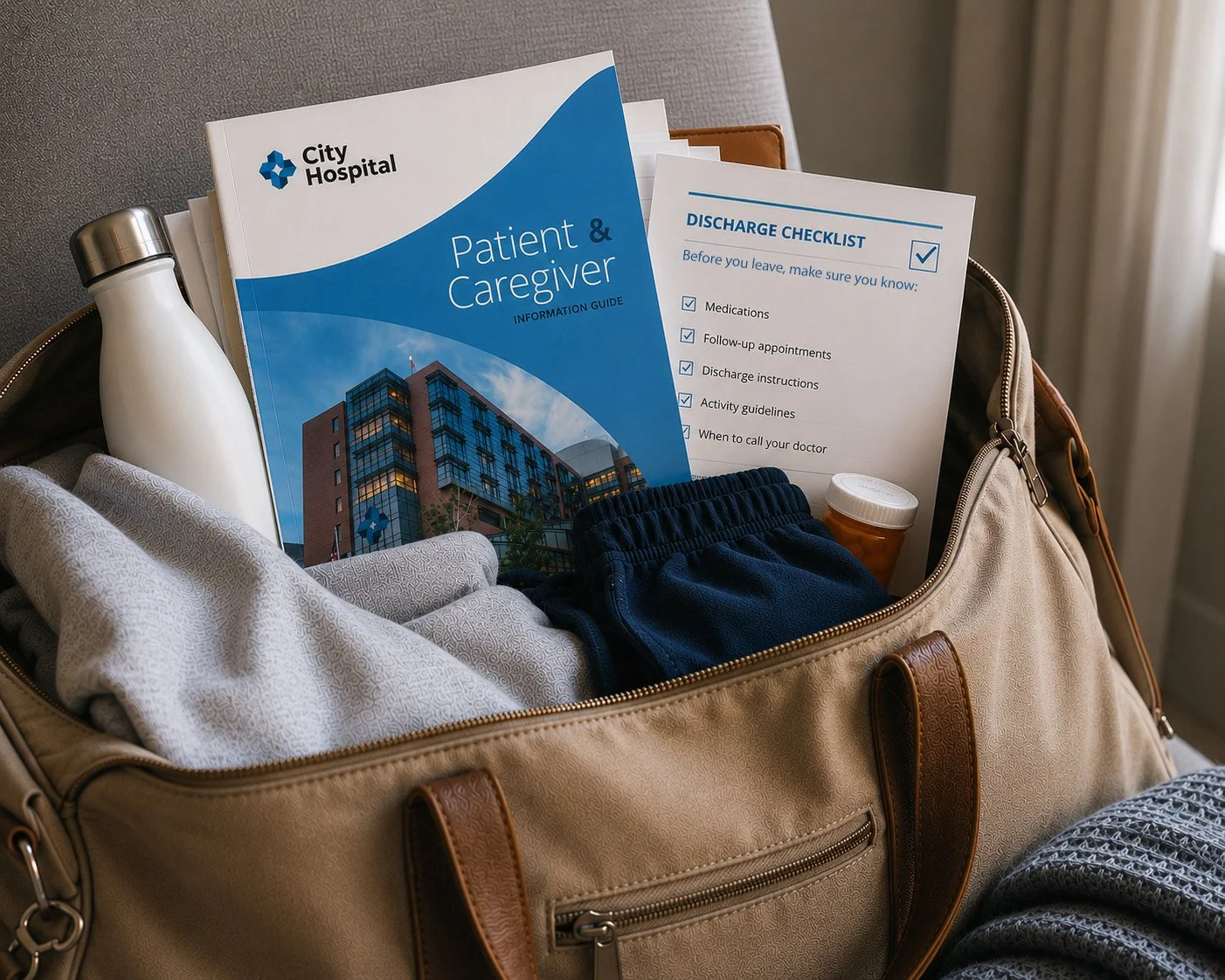
Discharge Solutions to Reduce Readmissions
Patients typically get very excited when they hear “discharge.” Discharge means they are going home, but it also means patients will be caring for themselves once they get home. If patients don’t understand their care plan, or aren’t engaged in their plan, their chances of readmission after discharge increase.
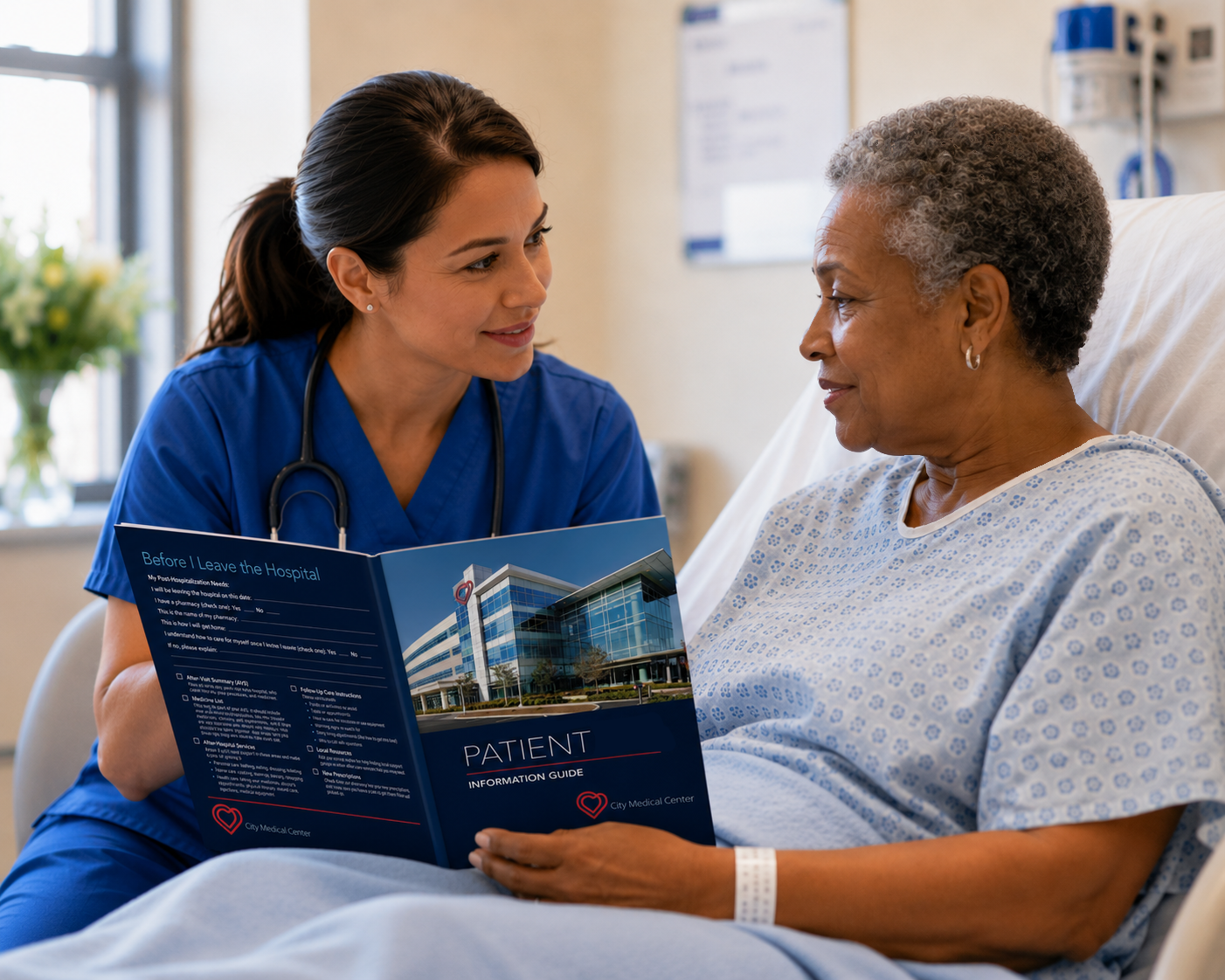
Enhancing Health Literacy
Health literacy predicts overall health better than any other factor, according to the American Medical Association (AMA).