
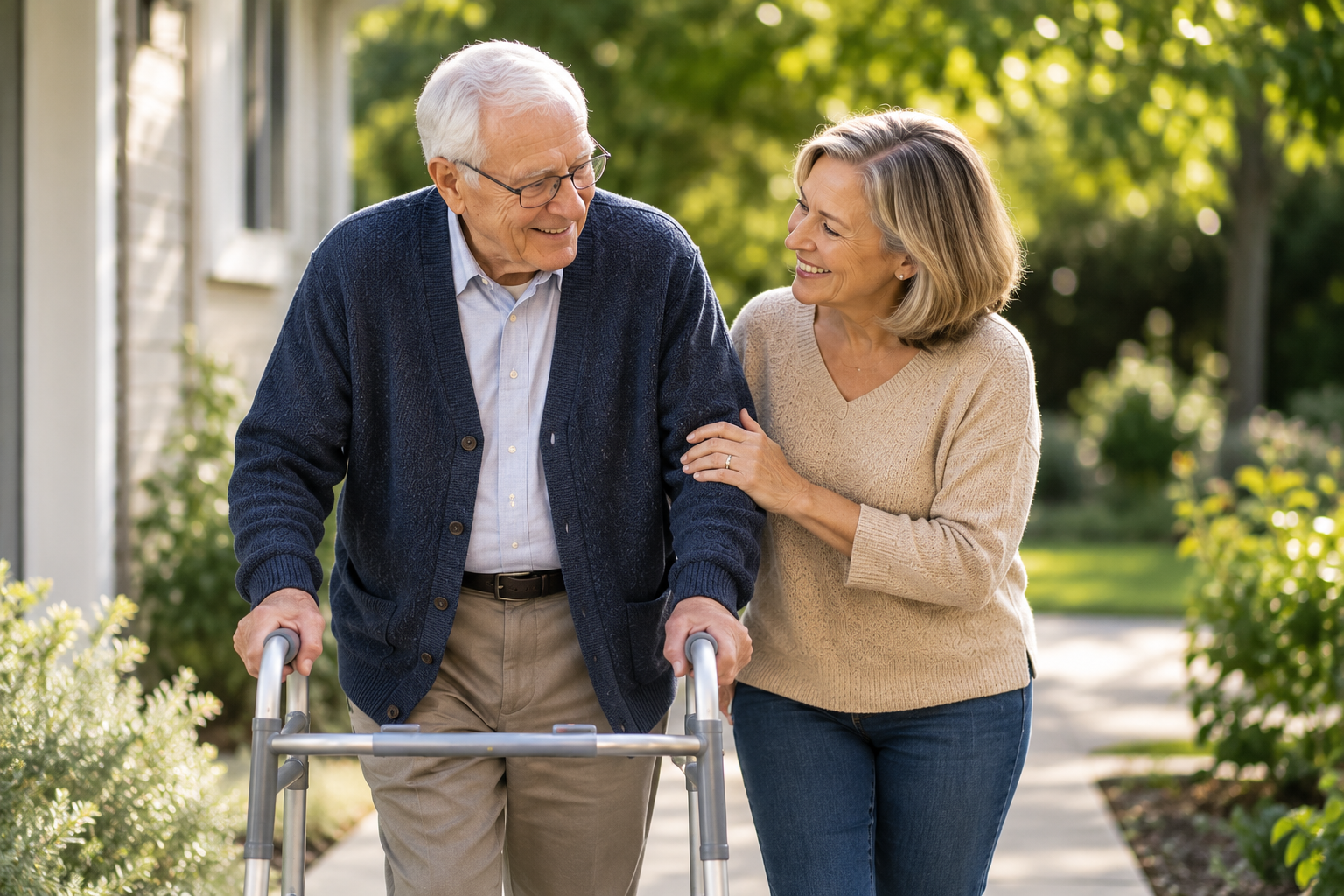
Fall prevention has long been an important patient-safety priority for hospitals. Across healthcare organizations, teams continue to invest in risk assessments, clinical protocols, bedside interventions and other strategies designed to keep patients safe.
As that work continues to evolve, patient and caregiver education offers another opportunity to reinforce prevention efforts—both during the hospital stay and after a patient returns home.
Helping patients understand their individual risk, recognize the actions they can take and involve caregivers where appropriate can make education a valuable complement to the important clinical work already underway.
Extending the Fall-Prevention Conversation
The impact of a fall can extend beyond the event itself.
For patients, a fall may affect recovery, mobility, confidence and independence. For healthcare organizations, fall prevention intersects with priorities surrounding safety, quality, length of stay and patient experience.
This makes clear and consistent communication especially valuable.
Throughout a hospital stay, patients may receive information through conversations with clinicians and nurses, bedside reminders, printed education, digital resources and discharge instructions.
When those touchpoints reinforce one another, they can help patients and caregivers better understand not only what actions to take, but why those actions matter.
Making Fall Risk Personal
Every patient's circumstances are different.
Medication changes, weakness following a procedure, unfamiliar surroundings, mobility limitations and other factors may influence an individual's risk.
That creates an opportunity to make fall-prevention education personal and actionable.
What does fall risk mean for this patient? When should assistance be requested? What changes should a caregiver be aware of? What precautions may still be important once the patient returns home?
Providing information in clear, accessible ways can help patients and caregivers better understand their role alongside the healthcare team.
Prevention Beyond the Hospital Stay
Discharge is another important point in the patient journey.
Returning home is often a positive milestone, but some of the factors contributing to fall risk may continue after a hospital stay. Patients may be adjusting to new medications, changes in mobility, unfamiliar equipment or ongoing weakness.
Education that extends beyond the hospital room can help reinforce important safety information during this transition.
The goal isn't simply to provide another set of instructions. It is to help patients and caregivers leave feeling more prepared to continue supporting recovery and safety at home.
Making Patients and Families Part of the Strategy
Patient education is one component of a comprehensive fall-prevention strategy.
When education is clear, accessible and reinforced throughout the patient journey, it can complement clinical interventions by helping patients and caregivers become informed participants in safety.
A bedside conversation may reinforce written education. Visual reminders can support instructions from the care team. Digital resources can provide continued access to information. Discharge education can help carry those messages into the home.
Together, these touchpoints can create greater continuity in how important information reaches the patient.
Continuing to Strengthen the Patient Journey
Healthcare teams are already doing significant work to identify fall risk and protect patients.
As organizations continue strengthening those efforts, patient education provides another opportunity to support the work happening at the bedside and extend important messages beyond it.
One useful question to carry forward is:
What does the patient leave knowing?
Do patients understand their individual risk? Do they feel prepared to take appropriate precautions? Do caregivers know how they can help? Can important information remain accessible after discharge?
At Patient Guide Solutions, the focus is on helping healthcare organizations make important patient information clear, accessible and useful throughout the care journey.
Because when patients and caregivers better understand the role they can play, education can become another meaningful layer in supporting safer transitions and better patient experiences.